
Role Of Ai In The Future
The Role of Artificial Intelligence (AI) in the Future
Introduction
Artificial Intelligence (AI) is one of the fastest-growing technologies in the modern world. It has not only made our daily lives easier but is also set to transform the future of education, healthcare, business, economy, and employment. In the coming years, AI will play an even stronger role by working alongside humans to create new opportunities and solve complex problems.
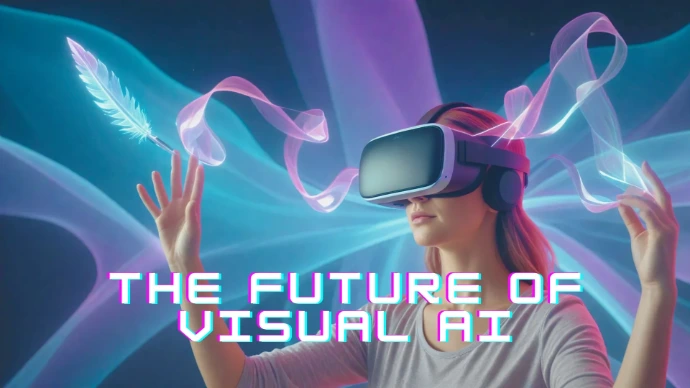
The Future of AI in Education
In the future, the education system will become more digital and personalized. AI will help design learning experiences based on each student’s abilities, pace, and interests.
Smart learning platforms will create customized study plans for students.
Virtual teachers will be available 24/7 to assist learners.
Exams, assignments, and assessments will be automatically evaluated. As a result, education will become more affordable, efficient, and accessible for everyone.
The Role of AI in Healthcare
AI is already bringing revolutionary changes to the healthcare sector, and its role will grow even further in the future.
AI will help in early detection and diagnosis of diseases.
Robotic surgeries will become safer and more precise.
Personalized treatment plans will be developed using patient data. These advancements will improve the quality of healthcare and help save countless lives.
AI in Business and the Economy
The future of business will be incomplete without AI. Companies will rely on AI to make faster and more accurate decisions.
Chatbots will become common in customer support.
AI will analyze consumer behavior for better marketing strategies.
Production costs will decrease while efficiency and profits increase. AI will play a major role in accelerating global economic growth.
Impact of AI on Jobs and Employment
Many people worry that AI will replace human jobs. While it is true that some traditional jobs may disappear, AI will also create many new career opportunities.
Demand for AI engineers, data analysts, and machine learning experts will rise.
Creative, strategic, and decision-making roles will remain human-driven.
Workers will need to learn new skills to stay relevant. Those who adapt and upskill will succeed in the future job market.
AI in Everyday Life
In the future, AI will become an essential part of our daily lives.
Smart homes will operate automatically.
Self-driving cars will become more common.
Personal AI assistants will manage schedules and daily tasks. This will save time and make life more comfortable and productive.
Ethical and Social Challenges
Along with its benefits, AI also brings several challenges.
Data privacy and security concerns
Over-dependence on AI systems
Ethical issues in automated decision-making To address these challenges, responsible use of AI and strong regulations will be essential.
Conclusion
In the future, Artificial Intelligence will not be a threat to humans but a powerful partner. AI will enhance human capabilities, help solve global challenges, and contribute to building a smarter and better world. By understanding, learning, and using AI responsibly, we can ensure a bright and progressive future for humanity.
Start writing here...